

Infrastructure First: Roads, Bridges and Rail Changing Lagos Mobility
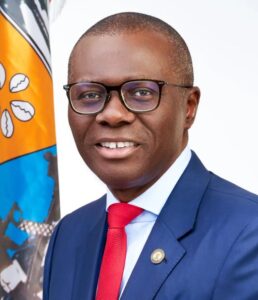
Governor Babajide Sanwo-Olu’s Lagos has commissioned 61 new roads, 56.52km of fresh arteries, and five bridges in just one year — tactical moves designed to ease congestion, shorten travel time, and open dormant communities for commerce. The crowning jewel is the Blue Line Rail, now operational, signaling a decisive shift to mass transit as the backbone of a modern city.
From Paddy to Plate: Imota Rice Mill and Lagos’s Food Security Gamble
The Imota Rice Mill in Ikorodu, one of Africa’s largest, has become Lagos’s industrial bet on food security. More than a factory, it is designed as the anchor of an agro-industrial cluster linking farmers, processors, and markets — with the promise of jobs, price stability, and reduced dependence on imports.
Empowering Hustle: MSMEs and Lagos State Employment Trust Fund
Through the LSETF, Lagos has rolled out loans, training, and incubation for thousands of entrepreneurs. With high repayment rates and growing disbursement volumes, the program shows that small businesses — artisans, shops, logistics firms — can thrive with access to capital and state-backed confidence.
Lekki Deep Sea Port: Lagos Stakes Its Claim as West Africa’s Trade Nerve Center
The commissioning of the Lekki Deep Sea Port positions Lagos as a continental logistics hub, capable of handling millions of TEUs. Combined with new road and rail projects, the port cements Lagos’s future as the beating heart of African maritime trade.
Public Health and Resilience: Lessons from Crisis Management
From COVID-19 isolation centers to integrated drainage systems and emergency response upgrades, Sanwo-Olu’s Lagos has shown a mindset of anticipation and preparedness. Technical choices in roads, drainage, and crisis facilities have made the city less fragile and more resilient to shocks.
Digital Lagos: Investment, Modernisation and Global Visibility
By simplifying regulations, promoting Lagos on international stages, and wooing investors, the state is presenting itself as a bankable, low-friction investment destination. Strategic diplomacy and global trade missions have become part of Lagos’s growth playbook.
The Political Economy of Expectations
While landmark projects like the Blue Line and Imota Rice Mill are tangible, Lagosians still wrestle with housing costs, electricity gaps, and high commuting expenses. The challenge for Sanwo-Olu remains turning grand projects into everyday relief for citizens.
Governance Beyond Rhetoric: A Masterclass in Urban Systems Design
Sanwo-Olu’s Lagos demonstrates how technocratic competence fused with bold vision can deliver measurable results. Roads, rails, ports, microfinance, and food security strategies are converging to build a more predictable, livable, and investable Lagos.
Conclusion: A City in Motion, Not Yet at Rest
Lagos remains unfinished business. Yet, under Sanwo-Olu, the city offers a case study in how African megacities can shift from rhetoric to reality — through planning, persistence, and pragmatic delivery.