

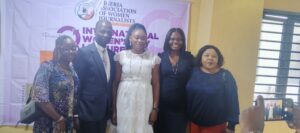
The Nigeria Association of Women Journalists (NAWOJ), Lagos State Chapter, has called for stronger mentorship structures and improved welfare for female journalists as part of activities marking International Women’s Day (IWD) 2026.
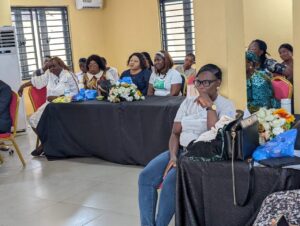
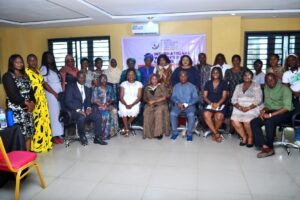
The association made the call during a high-level lecture and panel discussion held on Wednesday, March 11, 2026, at the NUJ Press Centre Ikeja. The event was themed “Give to Gain: Empowering Women Journalists through Mentorship and Advocacy for a Stronger Voice and Enhanced Welfare.”
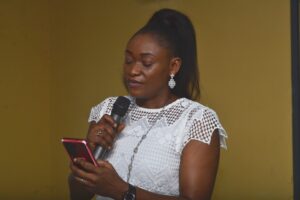
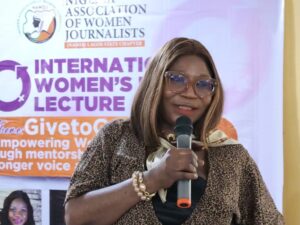
Speaking at the event, the Chairperson of NAWOJ Lagos, Jumoke Johnson, described women as “natural multipliers,” stressing that mentorship remains a powerful tool for strengthening the media industry.
According to her, when women journalists are supported with guidance and opportunities, their productivity and impact multiply across the profession.
“Give women journalists mentorship, give your time and watch productivity multiply,” she said. “When we give our experiences and energy through advocacy, we inspire reforms that will ultimately improve welfare and safety for women in the media.”
Delivering the keynote address, veteran media mentor Lekan Otufodunrin urged journalists, particularly women, to take charge of their career development in a rapidly evolving media landscape.
Otufodunrin emphasized the importance of continuous professional development, urging journalists to upgrade their digital and technical skills to remain relevant in the industry. He also encouraged female journalists to be assertive in pursuing career opportunities and to actively seek mentorship to navigate professional challenges.
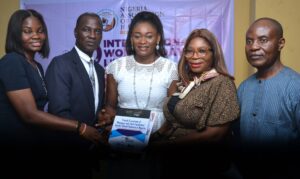
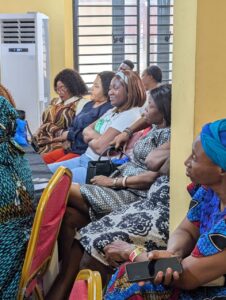
The event also featured a panel discussion moderated by Tosin Alayande, with panelists including award-winning journalists Olufunke Fayemi of Voice of Nigeria and Blessing Oladunjoye, publisher of BONews Service.
Panelists highlighted the need for stronger advocacy within the profession, while also stressing the importance of inclusive journalism, particularly the representation of Persons with Disabilities (PWDs) in media narratives. They also encouraged journalists to embrace specialised reporting as a pathway to professional authority.
At the end of the lecture, participants adopted several resolutions aimed at strengthening the profession. These include the establishment of a deliberate mentorship culture among senior and younger journalists, intensified advocacy for improved welfare and working conditions for women in the media, and increased adoption of digital tools and specialised reporting.
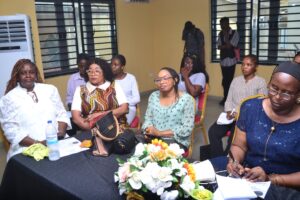
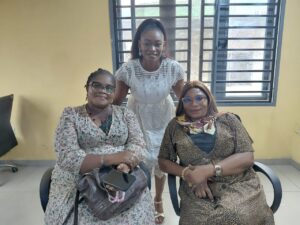
The event attracted prominent stakeholders in the journalism profession, including Abimbola Oyetunde, Deputy National President of the Nigeria Union of Journalists (NUJ), and Adeleye Ajayi, Chairman of the NUJ Lagos State Council, alongside other media executives and directors.
The commemoration ended with a renewed commitment by NAWOJ Lagos to remain a strong platform for empowerment, mentorship and professional excellence for women in the Nigerian media industry.